|
|
Pit in House T, Room 3 (through layer 6), in the industrial area west of Areopagus. Very likely pit may have been respectable archaic context, but nothing to go on beyond the two catalogued pieces (LT ... Ca. 500-480 B.C ... Hesperia 20 (1951), p. 217 ... Agora IV, p. 235 ... Agora XXX, p. 360. |
| Pit. Hesperia 20, 1951, p. 217. Agora 29, p. 440. Fill. Agora 12, p. 385. Agora 25, p. 163. Agora 12, p. 386. Agora 21, p. 97. Agora 23, p. 330. Well. Drain. Agora 23, p. 300. Hesperia 20, 1951, p. 201 ... Agora 30 360 B 18:11 C 14:7 B 18:15 C 18:4 C 18:7 B 19:11 C 18:11 C 19:4 B 19:12 C 19:5 B 19:14 C 19:8 C 9:6 C 19:9 C 11:3 C 19:10 C 12:2 C 19:11 C 12:3 D 5:1 ... 500-480 B.C ... Hesperia 20, 1951, p. 217 ... Agora 29, p. 440 ... Hesperia 20, 1951, p. 201 |
| The Athenian Agora; Volume 014; The Agora of Athens; The History; Shape and Uses of an Ancient City Centre; Roads and Water Supply. The Athenian Agora; Volume 014; The Agora of Athens; The History; Shape ... Agora 14 192 ... 1958 |
| Broken off at the neck.
A hollow in the bottom suggests the vase was made by turning.
Red stains (from burning: algae?).
Soft yellow poros.
Cf. Hesperia 20 (1951), p. 121. Finished Grave; pyre 6. 4306 ... 23 April 1947 ... Hesperia 20 (1951), p. 121 ... Hesperia Suppl. 47 (2013), pyre 43, pp. 155-156 ... Hesperia 27 (1958), p. 217, no. 139. |
| Most of rim missing. Similar to P 19302 (ΝΝ 4296) ff.
ADDENDA P 19302: Low base; roughly wheel made. Finished Pyre in House T, Room 1, layer 6 (= Pyre 3). 7134, 7311 Leica ... 14 April 1948 ... Hesperia Suppl. 47 (2013), pyre 39, pp. 150-151 ... Hesperia 39 (1970), p. 217, under D 16 ... Hesperia 20 (1951), p. 117, 3:8-14 (Pyre 3). |
| Small chips missing from rim. Similar to P 19302 (ΝΝ 4296) but smaller.
Brownish glaze.
ADDENDA P 19302: Low base; roughly wheel made. Finished Pyre in House T, Room 1, layer 6 (= Pyre 3). 7133, 7311 ... 14 April 1948 ... Hesperia Suppl. 47 (2013), pyre 39, pp. 150-151 ... Hesperia 39 (1970), p. 217, under D 16 ... Hesperia 20 (1951), p. 117, 3:8-14 (Pyre 3). |
| Small chip missing from rim. Similar to P 19302 (ΝΝ 4296) ff.
Dull black glaze, much peeled.
ADDENDA P 19302: Low base; roughly wheel made. Finished Pyre in House T, Room 1, layer 6 (= Pyre 3). 7133, ... 14 April 1948 ... Hesperia Suppl. 47 (2013), pyre 39, pp. 150-151 ... Hesperia 39 (1970), p. 217, under D 16 ... Hesperia 20 (1951), p. 117, 3:8-14 (Pyre 3). |
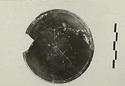
| About one-third of rim missing. Similar to P 19302 (ΝΝ 4296) ff., low base.
Dull black glaze.
ADDENDA P 19302: Low base; roughly wheel made. Finished Pyre in House T, Room 1, layer 6 (= Pyre 3). 7134, ... 14 April 1948 ... Hesperia Suppl. 47 (2013), pyre 39, pp. 150-151 ... Hesperia 39 (1970), p. 217, under D 16 ... Hesperia 20 (1951), p. 117, 3:8-14 (Pyre 3). |
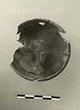
| About one-half the body and one-third of the rim missing. Similar to P 19302 (ΝΝ 4296) ff., slightly warped.
ADDENDA P 19302: Low base; roughly wheel made. Finished Pyre in House T, Room 1, layer 6 (= ... 14 April 1948 ... Hesperia Suppl. 47 (2013), pyre 39, pp. 150-151 ... Hesperia 39 (1970), p. 217, under D 16 ... Hesperia 20 (1951), p. 117, 3:8-14 (Pyre 3). |
| Large chip of rim missing. Similar to P 19302 (ΝΝ 4296) ff., flat bottom and slightly deeper.
Black to brownish and no glaze.
ADDENDA P 19302: Low base; roughly wheel made. Finished Pyre in House T, ... 14 April 1948 ... Hesperia Suppl. 47 (2013), pyre 39, pp. 150-151 ... Hesperia 39 (1970), p. 217, under D 16 ... Hesperia 20 (1951), p. 117, 3:8-14 (Pyre 3). |
| Index of Deposits. Well. Hesperia, XX, 1951, pp. 260-270. Hesperia, XXIV, 1955, p. 283, no. 3. Cistern. Agora, IV, p. 235. Howland type 44 D. Howland type 50 C. Howland type 58 Variant. Howland type 52 ... Agora 7 224 B 20:1 B 21:1 C 8:2 C 9:1 A 14:2 C 12:1 A 18:1 B 13:1 C 14:2 B 13:7 B 14:2 C 14:4 C 20:1 B 14:3 B 15:5 B 17:1 D 4:1 ... 2nd half of 1st-Middle of 2nd A.D ... Hesperia, XX, 1951, pp. 260-270 ... Hesperia, XXIV, 1955, p. 283, no. 3 ... Hesperia, XXIV, 1955, p. 284, no. 20 |
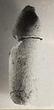
| Broken but complete.
Large alabastron with solid body. A hole drilled at top and another at bottom served to hold the pot on the lathe. A short distance below the neck, a small ridge runs horizontally ... 2-3 May 1940 ... Hesperia Suppl. 47 (2013), pyre 49, pp. 162-163 ... Hesperia 27 (1958), p. 217, no. 139 ... Hesperia 20 (1951), p. 115, no. 201. |
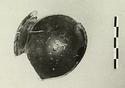
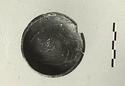
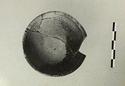
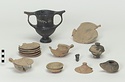
| Chip missing from rim. Low base; roughly wheel made, and slightly warped. Similar to P 19303-P 19308 (ΝΝ 4297-ΝΝ4302).
Poor black glaze over all except bottom. Finished Pyre in House T, Room 1, layer ... 14 April 1948 ... Hesperia Suppl. 47 (2013), pyre 39, pp. 150-151 ... Hesperia 39 (1970), p. 217, under no. ... Hesperia 20 (1951), p. 117, 3:8-14 (Pyre 3). |
| Complete except for chips from lip.
Three grooves at the shoulder. The body solid, with a shallow hollow at the mouth. Finished Grave in House N, Room 2, pyre 8. 6124 Leica, XXIX-82 ... 19 September 1947 ... Hesperia Suppl. 47 (2013), pyre 44, pp. 156-157 ... Hesperia 27 (1958), p. 217, no. 139 ... Hesperia 20 (1951), p. 124, no. 8, 1. |
| Hesperia, 16, 1947,178. Hesperia, 26, 1957, 71-72. Hesperia, 32, 1963, 17-19. Hesperia, 16, 1947, 178-179. Hesperia, 26, 1957, 72-77. Hesperia, 32, 1963, 19-20. Hesperia, 16, 1947, 179. Hesperia, 26, 1957, ... Agora 15 481 |
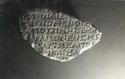
| Inscribed fragments.
Decree honoring Ulpius Eubiotus.
Fragment Β 300 a), broken on all sides.
Seven lines of the inscription preserved.
Fragment ΒΒ 286 b), inscribed face only preserved.
Nine lines of ... Ca. 220-250 A.D ... Hesperia 32 (1963), pp. 26-30, no. 27 ... Hesperia 20 (1951), p. 350 ... Hesperia Suppl. 6 (1941), p. 142, no. 32. |
| A few chips missing from body and rim; one side worn.
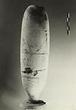
Solid dummy alabastron. Two grooves on the shoulder. The bottom flattened, so that the object will stand; the center slightly hollowed out.
A hole ... 16 March 1948 ... Hesperia Suppl. 47 (2013), pyre 41, pp. 151-154 ... Hesperia 27 (1958), p. 217, no. 139 ... Hesperia 20 (1951), pl. 51, a-1 (pyre 4). |
| Pyre. Hesperia, XX, 1951, pp. 210-212. Hesperia, XX, 1951, pp. 117-119 and pl. 51 a: pyre no. 4. Type 25 B Prime; Globular Bodies; Thick Bases; Pierced Lugs Added; Unglazed. Type 21 D; Curved Rims; Restricted ... Agora 4 235 B 18:1 B 18:2 B 21:1 B 13:3 B 22:3 C 9:6 B 18:4 C 12:2 B 18:7 C 14:4 B 18:10 C 17:2 B 18:11 C 18:4 B 19:3 C 19:3 B 19:6 C 19:9 B 19:7 ... 3rd-4th quarter of 4th B.C ... Hesperia, XX, 1951, p. 263, note 130 ... Hesperia, XX, 1951, p. 217 ... Hesperia, XX, 1951, p. 269 |
| Metal workers.
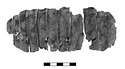
Found rolled up but not transfixed with a nail. Chronology: Text of 4th c. B.C. House N: N.E. area, layer IV, house D, room 5.
3rd c. B.C. 6948 Leica, XXXI-83, 96-41-1, 96-41-(2), 96-41-(3) ... Card: 4th c. B.C ... Hesperia Suppl. 47 (2013), p. 150. ... Hesperia 20 (1951), pp. 222-223, pl. 74 a ... Hesperia 18 (1949), p. 217, pl. 39, 2. |
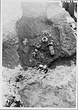
| Pyre 2 in Central House, Room X, under strosis 9. Signs of burning, carbonized food, animal bone.
In room south of courtyard. concentration of artifacts, bone, and charred material in floor makeup, no ... 290-275 B.C ... The objects were found in digging a hard floor with a white clay surface (strosis 9, lot Φ 217), the earliest floor associated with phase 3 of the house and probably dating in the second quarter of the 4th c. ... B.C.
Cf. Hesperia 20 (1951), p. 122 ff ... Cf. Lot Φ 217 for strosis above pyre. |
| Vanderpool, E., "Kleophon," Hesperia 21, 1952, pp. 114-115. Vanderpool, E., "New Ostraka from the Athenian Agora," Hesperia 37, 1968, pp. 117-120. Vanderpool, E., "Alcibiades," Hesperia 37, 1968, p. 398 ... Agora 25 xvi ... Vanderpool, E., "Kleophon," Hesperia 21, 1952, pp. 114-115 ... Vanderpool, E., "Alcibiades," Hesperia 37, 1968, p. 398 ... Young, "An Industrial District in Ancient Athens," Hesperia 20, 1951, pp. 135-288 |
|
|
.png.icon.jpg)
.png.icon.jpg)


.png.icon.jpg)

.png.icon.jpg)
.png.icon.jpg)
.png.icon.jpg)