|
|
Perhaps originally a grave cutting ... Ca. 390-380 B.C. |
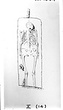
| Rodney S. Young ... Grave 20 (E.L. Smithson: Grave X: PG). Bones discarded. Pit tomb, inhumation (on bier or in coffin?), perhaps of a child. Little ash and carbon in the filling, but the grave offerings were unburned.
JP ... Developed Protogeometric ... The se pots, all unburned and clustered together, would have been placed in the area immediately above the feet of the deceased.
c) in the lowest 0.30m, very damp earth with very little ash, much heavy black matter "of a different character", from that in the layer above.
... Negs. X-43, X-44 |
Well at the southeast corner, almost on the line of the east-west street. Upper Fill: Late Roman dumped fill.
Lower Fill: Dark Age: ca. 7th c. A.D.
Coin
30 March 1939 #34 ... 7th-Late 6th century |
| Grave X in notebook = RSY Grave 14. PD 731-g ... Ca. 525-500 B.C ... Hesperia 20 (1951), p. 96, fig. 11 and pl. 43 b-c (Grave 14). |
|
|