|
|
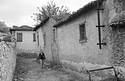
| Bridge byroad, with the wall of the Stoa of Attalos (left).
East wall of House 645a/1 at right. In background, northeast corner of House 645/3 ... south 11 Horizontal (normal) ... 12 Oct 1934 |
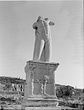
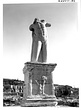
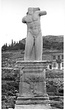
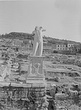
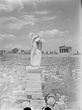
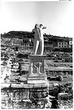
| Giant in easternmost position of the "Gymnasium" series. The Late Roman Complex was identified as a Gymasium because of its scheme and of an inscription found by Pittakis in 1848 alongside the colossal ... AMS southwest Horizontal (normal) ... 1949 |
| Giant in easternmost position of the "Gymnasium" series. The Late Roman Complex was identified as a Gymasium because of its scheme and of an inscription found by Pittakis in 1848 alongside the colossal ... southwest ... 1949 |
| Giant in easternmost position in "Gymnasium" series. The Late Roman Complex was identified as a Gymnasium because of its scheme and of an inscription found by Pittakis in 1848 alongside the colossal figures ... south Horizontal (normal) ... ca. 1946 |
| Giant in easternmost position in the "Gymnasium" series. The Late Roman Complex was identified as a Gymasium because of its scheme and of an inscription found by Pittakis in 1848 alongside the colossal ... This is OD 181. The neg. was destroyed and replaced by one that is not 88-461 as mentioned on print.(SD) south |
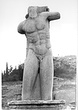
| Giant in easternmost position of the "Gymnasium" series. Front view. The Late Roman Complex was identified as a Gymasium because of its scheme and of an inscription found by Pittakis in 1848 alongside ... AMS south Horizontal (normal) ... 1949 |
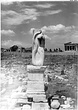
| Giant in easternmost position of the "Gymnasium" series. Proper right side. The Late Roman Complex was identified as a Gymasium because of its scheme and of an inscription found by Pittakis in 1848 alongside ... AMS west ... July 1939 |
| Giant in easternmost position of the "Gymnasium" series. Proper right side. The Late Roman Complex was identified as a Gymasium because of its scheme and of an inscription found by Pittakis in 1848 alongside ... west ... July 1939 |
| Giant in easternmost position of the "Gymnasium" series. Front view. The Late Roman Complex was identified as a Gymasium because of its scheme and of an inscription found by Pittakis in 1848 alongside ... south ... 1949 |
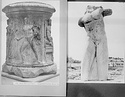
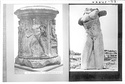
| On the left, representation of Hephaistos on the Madrid puteal (Einzelaufnahme 1729) and at right the easternmost Giant in the "Gymnasium" series. The Late Roman Complex was identified as a Gymasium because ... AMS Horizontal (normal) ... ca. 1948 |
| On the left, representation of Hephaistos on the Madrid puteal (Einzelaufnahme 1729) and at right the easternmost Giant in the "Gymnasium" series. The Late Roman Complex was identified as a Gymasium because ... ca. 1948 |
|
|