|
|
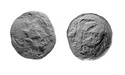
| Athens ... Counterstamped with plemochoe in relief on obverse and plemochoe in incuse circle on reverse, as Svoronos 1923, pl. 104:5-7. Coin no. 3.
Casts stored in Lab Case No. 52C Head of Athena r., wearing Attic ... 229 - ca. 224/223 B.C. |
Called a Turkish pit, located under a Byzantine wall and filled with an upper level of Byzantine material under which a level of Roman material. Coins:
5 April 1932 #1-#3
6 April 1932 #1-#5
7 April 1932 ... 6-11 April 1932 |
Tiled well near the SW corner of the market square between the Southwest Fountain House and the Great Drain, three fills noted: lower fill of earth and stones with a few fragments only of coarse pottery ... 4th-2nd c. B.C.
100-70 B.C. |
Trench at 11/ΚΕ cut into the stereo (length 1.40m, width 0.50m). Coins:
5 April 1932 #5 (illegible).
Red figure pottery; coarse ware ... Mid-5th c. B.C. |
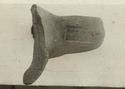
| Broad, widens to neck; start of right angle curve. Part of rim preserved.
Comparatively fine clay; red, grey core; buff surface with thin traces of slip.
Impression with slightly incomplete right end; ... Hellenistic |
| Large, distinctly twisted; otherwise typical.
Typical clay, baked yellow at surface.
Left end of the impression broken away; incomplete above. Bottom of Hellenistic fill. Σ̣κ̣ι̣ρ̣ boukra- τοῦ
Κνί nion ... Hellenistic |
| Large; broken at curve which is close to neck.
Coarse, micaceous buff clay.
Shallow impression; rather careless. Par: SS 00018(VG)* Hellenistic level. Φ horizontal? Leica ... Hellenistic |
|
|