|
|
| Earlier Structures. Augustan remains ... 1948 ΠΠ ... Earlier Structures |
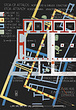
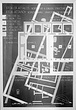
| Piet de Jong Poster. Stoa of Attalos, north end and earlier structures ... Piet de Jong ... 81-225 58-72 81-225 58-72 ... Stoa of Attalos, north end and earlier structures. |
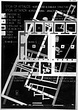
| North end of the Stoa and earlier structures. Plan by Piet de Jong ... Piet de Jong ... PD 2865 ... 1958 ... North end of the Stoa and earlier structures. |
| North end of the Stoa and earlier structures. Plan by Piet de Jong ... Piet de Jong ... PD 2865 AMS Horizontal (normal) ... 1958 ... North end of the Stoa and earlier structures. |
| ΠΠ 1948 End of Season Report. Roman Houses. North House. ΠΠ 1948. South House. East-West Road and Great Drain Bridge. Drainage. Earlier Structures. Wells ... 1948 ΠΠ ... Earlier Structures |
| Remains of Structures Earlier then Royal Stoa. Polygonal Walls at 37-38/Ζ-Η. Polygonal Wall at 25/Α. Poros Block in situ at 37/Β. Summary of Earlier Structures. Dörpfeld's Stoa Basileios. Re-examination ... Α-6 ... Remains of Structures Earlier then Royal Stoa ... Summary of Earlier Structures |
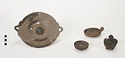
| Sacrificial pyre, disturbed; a small pyxis (P 14864) is close to that from B 18:4. First half of 4th. c. B.C., perhaps first quarter.
West of House C. Pottery and cinders in pit in stratum. The pyre was ... First half 4th. c. B.C ... Construction of a Roman house had removed all trace of earlier structures here. |
| Grave over drain A1 (House A). Date based on the fact that the lopas has the upturned handle and the flat rather than domed lid, not found in examples from the later pyres. LT
West of House C. Pottery ... First half of 4th. c. B.c ... Construction of a Roman house had removed all trace of earlier structures here. |
| Section ΠΠ 1948 ... Mabel Lang ... The western and northern parts of Section ΠΠ were brought down to Roman level. Revealed were Roman houses (North House and South House), drains and roads (East-West Road with two drains underneath it, ... 16 Mar-29 Apr 1948 ... In places where Roman structures had been destroyed, the excavation reached earlier periods (Early Roman, Hellenistic and 4th century B.C. remains). |
| Sections Ε, Ν, Η 1952 ... Homer A. Thompson ... Mycenaean graves were excavated in section Ε.
Section Ν was disturbed by late pits, bothroi and walls. Excavation was carried out through Roman levels. The area seemed to have been leveled out and raised ... 4 Mar-31 May 1952 ... Remains of various topographical structures were revealed. Earlier fills were found only in wells and pits cut down into bedrock. |
http://agathe.gr/overview/contact.html Staff and Contact Information The Agora Excavations offices are located within the ancient Agora archaeological site, on the upper floor of the Stoa of Attalos. The offices in the Stoa of Attalos are open ... The superimposition of many generations of buildings, ancient to modern in as much as eight meters of archaeological context inevitably requires the dismantling of later structures to reveal earlier ones, consequently the drawn architectural record assumes a unique importance as a record of the evolving human built environment of Athens. |
http://agathe.gr/publications/monographs.html Monographs Excavations in the civic and cultural center of classical Athens began in 1931 and have continued almost without interruption to the present day. The first Athenian Agora volumes presenting ... To the Greek deities of earlier times are added Oriental figures like Serapis, Isis, Harpokrates, Attis, as well as Egyptian priests and Asiatic dancers. ... The earliest physical remains are those of an Archaic altar; some rubble structures may have been hastily built by refugees during the Peloponnesian War. ... Especially important is the development of a chronological framework that builds upon and refines the author’s earlier work in this area. |
|
|